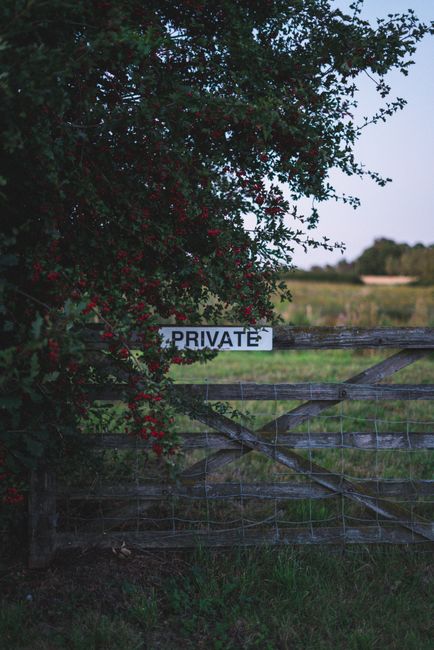
Common problems with access for gardeners on private estates SW20

Access sounds simple until you are actually trying to get a mower, hedge trimmer, clearance bags, or a ladder onto a private estate in SW20. Then the little details start to matter: locked gates, awkward parking, narrow paths, residents who are busy, and rules that change from one estate to the next. If you are dealing with common problems with access for gardeners on private estates SW20, you are not alone. It is one of those job-planning issues that can make a straightforward garden visit feel oddly complicated.
This guide breaks down the real-world access issues gardeners face on private estates in Raynes Park and the wider SW20 area, why they matter, how to plan around them, and what good practice looks like. It is practical, local, and written for people who want the job done properly the first time. No fluff. No mystery. Just the stuff that saves time, stress, and a few unnecessary phone calls.
Why Common problems with access for gardeners on private estates SW20 Matters
Access problems are more than a minor inconvenience. On a private estate, they can affect whether the gardener can even start the job on time, whether equipment can be moved safely, and whether the work is completed in one visit or two. For routine work like garden maintenance or lawn mowing, that can be the difference between a smooth weekly visit and a stop-start arrangement that everyone finds frustrating.
In SW20, private estates often have a mix of shared driveways, controlled entrances, communal pedestrian routes, basement or rear access, and residents-only parking. That sounds manageable on paper. In practice, a gardener might arrive to find a gate code not working, a van too large for the turning space, or a path blocked by delivery vehicles. It only takes one weak link and the whole plan wobbles a bit.
Why does this matter so much? Because access influences three things at once:
- Efficiency - how quickly the work can be done.
- Safety - whether tools, waste, and people can move without risk.
- Cost control - whether extra time, repeat visits, or manual carrying creates avoidable labour.
There is also the human side. Residents on private estates tend to expect low disruption. Fair enough. Nobody wants a noisy early-morning shuffle of wheelbarrows across a shared courtyard before the kettle has even boiled. Good access planning helps gardeners stay discreet, tidy, and on schedule.
If the estate includes heavier work such as overgrown borders, ivy, and seasonal cut-backs, poor access quickly becomes even more noticeable. Tasks like hedge trimming or tree lopping and removal often need larger tools, waste bags, and more movement between the garden and the vehicle. That is where access either helps the job flow or quietly turns it into a slog.
How Common problems with access for gardeners on private estates SW20 Works
Access on private estates is usually a combination of permissions, timing, and physical layout. The gardener may need to enter through a main gate, a side entrance, a service route, or a communal car park. Sometimes a resident opens the gate. Sometimes security or a concierge lets the team in. Sometimes, to be honest, everyone assumes someone else has the code and the first ten minutes are spent doing a small administrative detective job.
The access process usually works best when the following things are clear before the visit:
- Who opens the gate or barrier
- Where the gardener should park
- Whether there is a time window for arrival
- Which routes are allowed for equipment and waste
- Whether any residents need notice before work starts
- What to do if access is blocked
On some estates, access is straightforward but strict. On others, it is informal but confusing. A gardener might be told, "Just go through the side door," only to find the side door is actually locked, alarmed, or shared with a different block. The little assumptions are where delays start.
There is also the issue of equipment type. A compact trolley, for example, can be a lifesaver where vehicles cannot get close to the garden. A bigger job, such as garden clearance or substantial cut-back work, may require multiple trips from parking space to garden. That is not ideal, but it is manageable if the route is known in advance.
In our experience, access works best when the job is treated as a mini logistics plan, not just a gardening visit. Where are the materials going? How far is the walk from the van? Is there a lift? Does the estate prefer quiet hours? Those questions sound boring until you skip them, and then they become everybody's problem.
Key Benefits and Practical Advantages
Getting estate access right does not only prevent problems. It creates real advantages, especially on private estates where timing and neatness matter.
- Smoother arrivals - fewer delays at gates and entrances.
- Better presentation - less disturbance to residents and shared areas.
- Faster completion - more time spent on the garden itself, less on moving around.
- Cleaner workspaces - less chance of mud, debris, or clippings spreading through communal routes.
- Lower risk - fewer lifting issues, fewer trip hazards, fewer awkward manoeuvres.
There is another advantage that gets overlooked: confidence. A gardener who knows the route, the code, the parking arrangement, and the disposal point can work with a calm head. That sounds small, but calm work is usually better work. You notice it in the finished edges, the tidier clear-up, and the way the whole visit just feels composed.
For clients considering regular visits, especially via garden maintenance or a broader services overview, access planning can also make pricing more predictable. The fewer unknowns, the easier it is to quote sensibly and avoid surprises later. If a job is likely to involve frequent carrying or limited access, that should be factored in from the start. It is only fair.
There is a quieter benefit too: better neighbour relations. Private estates often have a close community feel, and nobody wants complaints about blocked walkways or noisy confusion in the morning. A well-organised visit helps everyone breathe a little easier.
Who This Is For and When It Makes Sense
This topic matters to several groups, and each of them sees the problem a little differently.
Estate residents and leaseholders
If you live on a private estate in SW20, access matters because you want the garden looked after without hassle. You may need to share entry points, keep paths clear, or arrange access when you are not at home. If you have ever had a gardener wait outside with tools in hand while you fumbled for a code, you already know how quickly this gets awkward.
Property managers and managing agents
For those managing shared estates, access issues are often about consistency. One gardener gets in smoothly. Another turns up without the right details. One delivery van blocks the route. Suddenly everyone is chasing everyone else. Clear access instructions, agreed parking arrangements, and realistic job timing make a big difference.
Gardeners and landscape teams
For professionals, access is a working condition, not a side note. It affects the whole day's schedule. A team doing landscape gardening or landscaping needs to know whether materials can be dropped close to the work area, or whether everything must be carried in by hand. That changes labour, equipment choice, and time on site.
When it makes the most sense to plan access carefully
- For first-time visits to an estate
- For regular maintenance on shared grounds
- When the garden has limited rear or side entry
- When waste removal will be needed
- When larger tools or machines are involved
- When residents are sensitive to noise or disruption
If you are unsure whether access is going to be a real issue, it usually is. Not always. But usually enough that a five-minute check beforehand saves a thirty-minute headache later.
Step-by-Step Guidance
Here is a practical way to handle access on private estates without turning it into a drama.
- Map the entry points. Identify the main gate, side gate, service entrance, and any pedestrian-only routes. Do not rely on memory. Estates change, and so do routines.
- Confirm who provides access. Is it a resident, concierge, caretaker, or estate office? Know the contact and the fallback if they are unavailable.
- Check parking and unloading rules. A van parked in the wrong place can create friction before the work has even begun. This is where a quick note in advance helps.
- Ask about equipment movement. Can mowers, cutters, and clearance waste move through the same route? If not, what is the approved route?
- Review timing restrictions. Some estates are relaxed about daytime work. Others prefer narrow windows to reduce disruption. Build that into the plan.
- Prepare for manual carrying. If the garden is not vehicle-accessible, use smaller tools, stackable containers, and lighter loads. In some cases, it is worth splitting the job.
- Set an arrival protocol. A simple text or call on arrival can prevent delays. It sounds basic. It is basic. And it works.
- Have a backup plan. If a gate is locked, a code fails, or a parking bay is occupied, decide in advance what happens next.
A small but useful habit: take photos of access points during the first visit, where appropriate and permitted. Nothing fancy. Just a record of the route, the gate, the parking spot, and the best path in. It saves time later, especially for repeat visits during damp autumn weeks when everything looks a bit samey.
If a job includes bulky green waste or a one-off tidy-up, it may also help to combine access planning with garden clearance. That way, removal routes and load-out points are thought through as part of the service, not left to chance.
Expert Tips for Better Results
Here are the things that tend to make a proper difference on private estates.
- Keep the access brief simple. A short written note is better than a long message nobody reads properly.
- Use one named contact. Too many people giving instructions creates crossed wires. One decision-maker is enough.
- Match the team to the access. If the route is tight, send the right kit and the right number of people. More people is not always better.
- Plan around weather. Wet paths, slippery steps, and muddy service routes can turn a minor access issue into a safety concern very quickly.
- Protect communal areas. Use sensible lifting practices, keep clippings contained, and avoid dragging bags over shared surfaces.
- Be realistic about timing. A job that looks like one hour from the pavement might take longer if the garden is tucked away behind a maze of access points. That is normal.
Expert summary: On private estates, good access is not about making the job easier for the gardener alone. It is about making the whole visit predictable, safe, and discreet for everyone involved. That is the real win.
A small aside, and a true one: the best access plan is often the boring one. No surprises. No last-minute gate codes shouted through a voicemail. Just a simple route, clear contact, and enough room to work without feeling like you are threading a needle with a hedge trimmer.
Common Mistakes to Avoid
Most access problems come from assumptions. That is the honest answer.
- Assuming the gate code still works. Codes change. People forget. Batteries die. It happens.
- Assuming parking is obvious. What looks fine to one person may be a problem for residents or enforcement on the day.
- Assuming all gardeners can use the same route. A route fine for light maintenance may be useless for clearance work.
- Assuming the client knows the estate rules. Sometimes they do. Sometimes they only know half of them.
- Assuming one visit will reveal everything. It often takes a second or third visit to spot the awkward bits.
- Ignoring disposal logistics. Green waste still has to leave the site somehow.
Another common issue is underestimating how access affects service quality. If a gardener spends the first part of the appointment hauling gear through a narrow shared corridor, the finish can suffer. Not because the work is bad, but because the setup was rough. That distinction matters.
And yes, there is the classic one: "It should be fine." Those three words have launched many a slightly chaotic morning.
Tools, Resources and Recommendations
You do not need a truck full of specialist gadgets to manage estate access well. What helps most is practical kit and good process.
Useful tools and setup ideas
- Compact transport containers for tools and clippings
- Foldable or modular trolleys for narrow access routes
- Weatherproof covers for equipment staged outside briefly
- Clear site notes with access instructions and contact details
- Protective mats or runners where surfaces need care
Helpful service pages to understand the wider picture
If your access issue is part of a larger garden job, it can help to review the service type alongside the route. For example, heavier pruning may be linked with hedge trimming, while awkward boundaries or large trees may call for tree lopping and removal. If hard surfaces, retaining features, or layout changes are involved, decking services and broader site planning may also come into play.
For homeowners who want to keep things tidy throughout the year, a regular arrangement with garden maintenance often gives the best balance between convenience and control. It is usually easier to manage access for predictable visits than for occasional emergency clear-ups. That much is obvious, but easy to forget when the garden has suddenly got a bit wild after a wet few weeks.
If you want a wider view of how services are organised, services overview is a sensible starting point. And if you are comparing how a company handles trust, policies, and customer care, pages like insurance and safety, health and safety policy, and recycling and sustainability can tell you a lot about how they operate day to day.
Law, Compliance, Standards, or Best Practice
Private estate access is not usually a single-law issue. More often, it is a mixture of property rules, site safety expectations, and good working practice. Because estates vary so much, it is wise to avoid guessing. The safest approach is to treat the estate's own access rules as the starting point, then layer in sensible workplace precautions.
In practical terms, that means a few things. First, access routes should be safe enough for people carrying tools or waste. Second, parked vehicles should not obstruct emergency access, residents, or contractors. Third, any work that involves ladders, cutting equipment, or heavy loads should be planned with obvious trip hazards and slip risks in mind. That is not paperwork for paperwork's sake. It is common sense with a clipboard, if you like.
Good practice usually includes:
- Clear communication before arrival
- Respect for shared spaces and quiet hours
- Safe manual handling for equipment and waste
- Secure storage or supervision of tools on site
- Appropriate insurance and site-specific risk awareness
Where access affects safe work, it is sensible to slow down and reassess rather than push on. A blocked path or a poor gate setup can be more than inconvenient; it can become a safety issue. If a team is expected to work near residents, pets, or public-facing areas, it is even more important to keep things orderly.
If you are a client, asking how a gardener approaches access planning is a fair question. In fact, it is a smart one. It tells you whether they understand the site, or are just hoping for the best and a decent cup of tea.
Options, Methods, or Comparison Table
Different access arrangements suit different estates. There is no single perfect method, but some are clearly easier to manage than others.
| Access method | Best for | Strengths | Limitations |
|---|---|---|---|
| Main gate entry with resident code | Small to medium maintenance visits | Simple, direct, familiar | Depends on code accuracy and resident availability |
| Concierge or estate office access | Managed private estates | Controlled, consistent, traceable | Can slow down arrival if staff are busy |
| Service entrance or rear access | Heavier jobs and clearance work | Keeps activity away from main communal areas | May involve longer routes or tighter entrances |
| Pedestrian access only | Light maintenance and detail work | Minimises vehicle impact | Less suitable for bulky tools or waste |
| Pre-arranged parking and staged carry-in | Flexible jobs on constrained estates | Works well where vans cannot reach the garden | Labour-intensive and time-sensitive |
The right choice often depends on the job itself. A weekly mow is one thing. A full tidy-up after a hedge has been left to run for a season is another thing entirely. If you are weighing up options, think about distance, noise, waste, and how much equipment the work needs. That tends to make the answer clearer.
Case Study or Real-World Example
Picture a private estate in SW20 with a central parking court and several rear gardens reached via a narrow side passage. On paper, it seems manageable. The first maintenance visit goes fine because the job is light: a mow, edging, and a quick tidy. The second visit is different. After a few weeks of rain, the borders have thickened, the hedge needs cutting, and the client also wants clippings removed.
The access issues appear quickly. The passage is too narrow for easy trolley movement. The parking court is partly blocked by visitors. The gate code works, but only after a call to the resident. Nothing is disastrous, but everything takes longer than expected.
The fix is not glamorous. It is a better plan:
- Agree a parking bay in advance
- Confirm a backup contact for gate entry
- Use smaller containers for cuttings
- Split hedge work into sections to reduce carrying
- Schedule clearance when the estate is quieter
By the third visit, the job runs much more smoothly. The team knows the route. The client knows when to expect them. Neighbours are not surprised. And the garden looks better because the energy is going into the plants, not into avoiding unnecessary friction. That is usually how it goes, honestly. A bit of planning upfront, then life gets easier.
Practical Checklist
Use this before the next estate visit.
- Have I confirmed the exact access point?
- Do I know who opens gates or provides the code?
- Is parking arranged and realistic for the vehicle size?
- Have I checked whether the route suits the equipment?
- Do I know where waste will be taken from site?
- Are there quiet hours or timing restrictions to follow?
- Have I identified any steps, slopes, narrow paths, or surface issues?
- Is there a backup contact if access fails?
- Do residents need notice before work begins?
- Have I matched the job plan to the actual site conditions?
Practical takeaway: if you cannot answer those questions confidently, access probably needs a proper pre-visit conversation. That is not a sign of trouble. It is just good planning.
Conclusion
Common problems with access for gardeners on private estates SW20 are usually not dramatic on their own. But put together, they can slow work down, increase risk, frustrate residents, and make even simple jobs feel oddly complicated. The good news is that most of these issues can be handled with clear communication, realistic planning, and a bit of local know-how.
Whether you are arranging lawn mowing, ongoing garden maintenance, or something more involved through landscaping, access should be treated as part of the service, not an afterthought. Get that part right and the rest tends to fall into place more easily than people expect.
If you are reviewing providers, it is worth looking beyond the headline service and checking how they handle site access, safety, communication, and aftercare through pages like about us, pricing and quotes, and complaints procedure. Those details reveal a lot. More than most people realise.
Get a free quote today and see how much you can save.
And if all you needed was a bit of clarity before making the next call, hopefully you have that now. One good access plan can make a whole season feel easier.
Frequently Asked Questions
What are the most common access problems for gardeners on private estates?
The most common issues are locked gates, missing codes, restricted parking, narrow walkways, unclear entry instructions, and routes that are fine for people but awkward for tools or waste.
Why does access matter so much on a private estate?
Because access affects safety, timing, cost, and how disruptive the visit feels to residents. A tidy route and clear instructions help the work run smoothly.
Do gardeners need a vehicle close to the garden?
Not always, but it helps. If a vehicle cannot get close, the job may still be possible using trolleys and smaller loads. It just takes more planning and usually more time.
How can residents help make access easier?
By giving the right gate code, confirming parking, warning neighbours if needed, and telling the gardener about any estate rules before the visit.
What should a gardener ask before visiting a private estate in SW20?
They should ask where to enter, where to park, who to contact, whether there are timing restrictions, and how waste should be removed from site.
Is poor access likely to increase the cost of garden work?
It can, because extra carrying, delays, or repeat visits take more labour. The exact impact depends on the job, the site, and how constrained the access is.
What happens if the gate code does not work on the day?
Ideally there is a backup contact or a second way in. Without that, the visit may be delayed or rescheduled. It is frustrating, but it is avoidable with good prep.
Are there safety issues linked to access problems?
Yes. Wet paths, blocked routes, narrow steps, poor lighting, and awkward carrying can all raise the risk of slips or trips, especially when tools or waste are involved.
Should access arrangements be different for hedge trimming or tree work?
Usually yes. Bigger cutting jobs may need more equipment, larger waste removal, and more room to move safely, so access needs to be checked more carefully.
How do I know if my estate is likely to cause access problems?
If vehicles cannot park near the garden, gates are controlled, paths are shared, or the site has several rules for visitors, then access is likely to need extra planning.
What is the best way to avoid repeated access issues?
Create a simple, written access note and keep it updated. Include gate details, parking instructions, contact names, and any route limitations. That one habit solves a lot.
Can a regular maintenance schedule reduce access headaches?
Yes. Repeat visits are easier to manage because the team learns the site, the client knows the process, and the access routine becomes more predictable over time.