Gardeners Raynes Park — Recycling and Sustainability
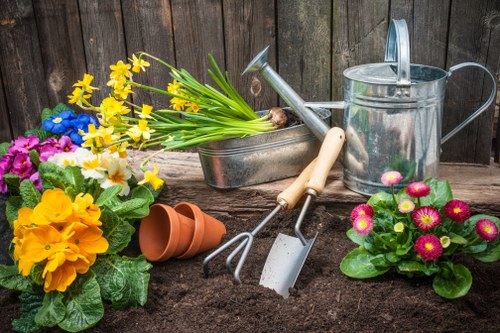 Gardeners Raynes Park leads with a practical, local-first approach to an eco-friendly waste disposal area and a truly sustainable rubbish gardening area. Our Raynes Park gardeners combine everyday gardening skill with a clear environmental mission: to reduce landfill, increase resource reuse and make every green waste journey low-carbon. Whether you call us the Raynes Park gardening team or simply gardeners in Raynes Park, our policies focus on measurable diversion and community benefit.
We design on-site sorting points in every job so that soil, woody cuttings, green waste and mixed rubbish are separated at source. This mirrors the borough's practical approach to waste separation — sorting food waste, dry recycling, glass and garden waste — and helps ensure that materials follow the correct recycling stream. Our sustainable rubbish gardening area uses clearly labelled bins and temporary storage to prevent contamination and to speed up the transfer of recyclable material to authorised facilities.
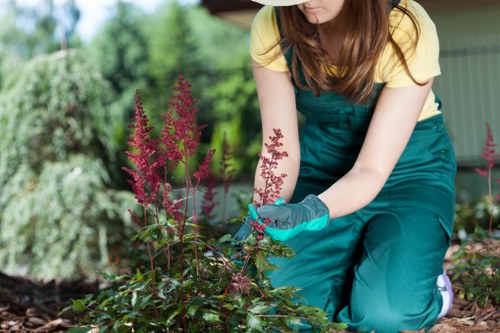 To make this concrete, our garden waste flows fall into a few clear channels:
- Compost and mulching: green waste and soft prunings feed on-site compost bays or community composting hubs to produce soil improver.
- Woodchip and biomass: larger branches and woody material are chipped and either reused on paths or sent to biomass processing.
- Reuse and redistribution: pots, planters, tools and usable soil are redirected to community groups and charities.
Recycling percentage target and measurement
Our operational target for the gardening service is a 70% recycling and reuse rate across all waste streams within two years of implementation. This target is ambitious but realistic: it accounts for unavoidable residual waste while prioritising reuse, composting and transfer to borough-approved recycling centres. We monitor progress through job-level waste records and periodic audits so the recycling percentage target is visible and verifiable.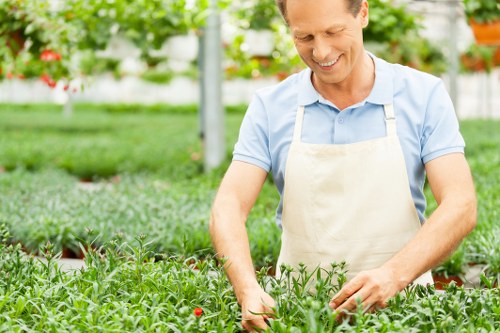
Local transfer stations and civic amenity access
We work closely with local transfer stations and civic amenity sites across the borough and neighbouring boroughs to ensure correct disposal and recycling. Our logistics plan routes green waste, mixed recyclables and hazardous items to the appropriate local transfer stations rather than landfill. This collaboration reduces double-handling and supports the borough's wider waste strategy: small electricals, glass and bagged food/wet waste are all handled in line with local collection standards.To keep operations nimble we use a mix of temporary holding at site-friendly transfer points and scheduled drops at council-approved facilities. The approach respects local regulations and leverages civic amenity capacity to increase the percentage of material diverted away from general waste.
Partnerships with charities and community reuse
Our partnerships with charities are central to turning surplus into resources. We collaborate with local reuse organisations, community gardens, and social enterprises to accept plant donations, intact planters and usable soil. Items that are fit for reuse are diverted before any recycling stage so that useful goods extend their life. Through these partnerships the Raynes Park gardeners help support local food-growing groups, schools and volunteer-led green projects. Low-carbon vans, cargo bikes and greener logistics
The fleet mix is deliberately low-emission: we use electric vans for urban jobs, plug-in hybrids for longer runs and cargo bikes for small pickups in the village centre. Route optimisation software and telematics reduce mileage and idle time, cutting carbon and improving turnaround. Our low-carbon vans are maintained to maximise efficiency, and drivers are trained in eco-driving techniques — a simple step that saves fuel and reduces emissions from every job the gardening Raynes Park team completes.
Low-carbon vans, cargo bikes and greener logistics
The fleet mix is deliberately low-emission: we use electric vans for urban jobs, plug-in hybrids for longer runs and cargo bikes for small pickups in the village centre. Route optimisation software and telematics reduce mileage and idle time, cutting carbon and improving turnaround. Our low-carbon vans are maintained to maximise efficiency, and drivers are trained in eco-driving techniques — a simple step that saves fuel and reduces emissions from every job the gardening Raynes Park team completes.

Practical measures and community outcomes
Day-to-day delivery includes on-site compost bays, clear rejection criteria for contaminated waste, and a pledge to prioritise reuse over disposal. We provide visible waste summaries with each invoice so clients can see how much was recycled, reused or sent to authorised transfer stations. The result is a transparent approach that supports borough-level separation rules while delivering a cleaner neighbourhood and healthier soils.Training and continuous improvement are core to our operations. Staff complete regular sessions on waste segregation, hazardous materials handling and safe mulching practices. This ensures the sustainable rubbish gardening area stays productive, complies with local regulations and reduces risks that lead to unnecessary waste. We also run seasonal reviews to update best practices based on what we learn from the borough's collections and local transfer station capacities.
Measured success and the path forward: by combining an eco-friendly waste disposal area with targeted reuse partnerships and low-carbon transport, the Raynes Park gardening team pursues a practical circular model. Our goal is that most green and household-like garden waste is turned back into soil, woodchip or useful kit for the community rather than discarded.
In summary, Gardeners in Raynes Park commit to a clear recycling percentage target, efficient use of local transfer stations, productive partnerships with charities and a modern low-carbon vehicle strategy. Together these measures create a resilient, local-first model for sustainable gardening in Raynes Park — one that benefits soil health, reduces emissions and keeps valuable materials in use.

