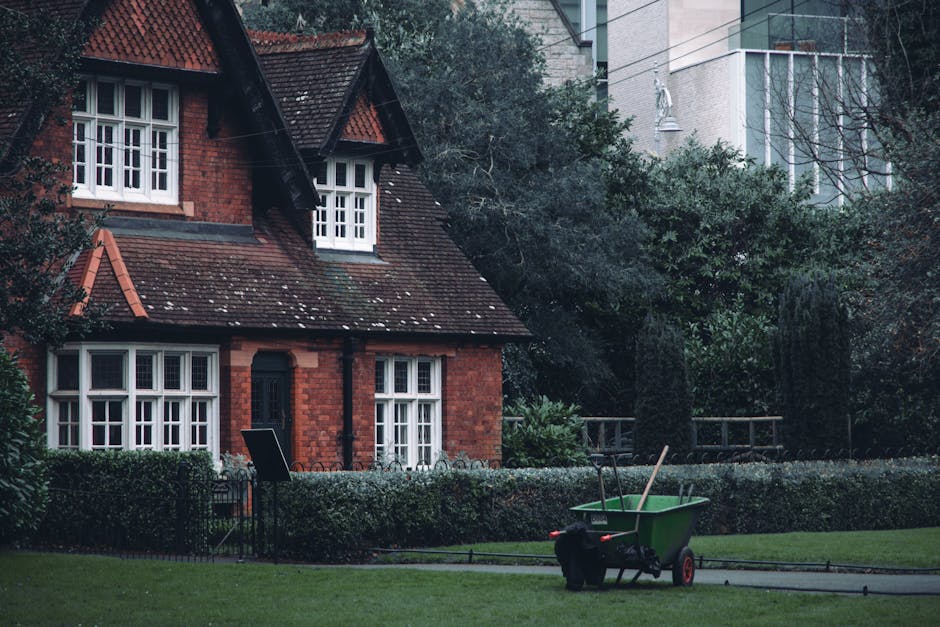
Garden maintenance tips for SW20 homes Raynes Park
If you live in SW20, you already know the garden can change character fast. One windy week and the borders are littered with leaves; a couple of damp days later, the lawn looks tired, the hedge shoots away, and the patio gets that thin green film that makes everything feel a bit neglected. This guide to Garden maintenance tips for SW20 homes Raynes Park is built to help you stay ahead of that cycle with practical, local, real-world advice.
Whether you manage a compact rear courtyard, a long family lawn, or a front garden that has to look good from the street, the basics are the same: cut, clear, feed, prune, check, repeat. Simple enough in theory. In practice, life gets busy, tools go missing, and the "I'll do it next weekend" plan has a habit of becoming next month. Let's make it easier.
This article covers the seasonal rhythm of garden upkeep, the jobs that matter most in Raynes Park homes, what to do yourself, when to call in help, and how to avoid the common mistakes that turn light maintenance into a bigger job. If you want a broader look at what professional upkeep can include, you can also explore garden maintenance services and the wider services overview.
Why Garden maintenance tips for SW20 homes Raynes Park Matters
SW20 gardens often need a slightly different mindset from a big-country-garden approach. In Raynes Park, many homes have modest plots, shared boundaries, mature trees, and a mix of paved and planted spaces. That means maintenance is less about grand redesigns and more about steady, intelligent care.
Why does that matter? Because small issues stack up quickly. A hedge left for one season can shade out a border. A lawn that is cut too short in dry weather can thin out and invite weeds. A neglected deck or path can get slippery and awkward to use. And if a rear corner becomes inaccessible, it can become a catch-all for moss, leaves, and self-seeded weeds. Not exactly the dream.
There is also the local reality of London living: you may have limited storage, limited time, and neighbours quite close by. That means tidy edges, controlled pruning, and regular clearance are not just about appearance. They help gardens feel usable, calm, and manageable. A well-kept outdoor space tends to get used more often too - for morning coffee, a child's football kick-about, a few herbs by the kitchen door, all that good stuff.
Expert summary: For most SW20 homes, the best maintenance plan is not the most elaborate one. It is the one you can repeat consistently. Small, regular actions beat occasional heroic effort nearly every time.
How Garden maintenance tips for SW20 homes Raynes Park Works
Good garden maintenance works in layers. Think of it as a cycle rather than a one-off task list. The first layer is routine care: mowing, watering, weeding, and sweeping. The second layer is seasonal work: pruning, feeding, clearing leaves, and preparing beds for different weather. The third layer is corrective work: tackling overgrowth, thinning crowded plants, fixing patchy lawn areas, and restoring neglected corners.
In a typical Raynes Park garden, that cycle usually follows the seasons, even if the weather does its own thing. Spring is for recovery and growth. Summer is for keeping things under control. Autumn is for leaf clearance and structural tidy-up. Winter is the quieter period, but it is not a complete pause. Plants still need attention, and exposed areas still need checking after storms and frost.
If you use professional help, maintenance often starts with a simple assessment: what is growing well, what is struggling, what looks unsafe, and what is simply overdue. A decent gardener will then prioritise the highest-impact jobs first. That might mean trimming hedges before tackling the flowerbeds, or cutting back weeds before feeding the lawn. Not glamorous. Very effective.
For larger or more tangled gardens, maintenance can overlap with garden clearance, especially after a long gap between visits. If the space has become overgrown, clearing first and maintaining second is usually the sensible order.
Key Benefits and Practical Advantages
There is a practical side to garden maintenance that goes well beyond "looks nice". Yes, a neat garden makes a good impression. But the deeper benefits are often the ones people feel day to day.
- Better usability: You actually want to sit outside, walk across the lawn, or open the back gate without moving five things out of the way.
- Lower repair costs: Catching moss, rot, broken edging, or tangled growth early often prevents more expensive work later.
- Healthier planting: Regular pruning, mulching, and feeding help shrubs and borders stay balanced rather than exhausted.
- Improved safety: Clear paths and well-managed trees, hedges, and borders reduce trip hazards and blind spots.
- Better kerb appeal: A tidy front garden does a lot for the overall feel of a home, especially on streets where houses sit close together.
There is also a less obvious benefit: maintenance reduces decision fatigue. When a garden is chaotic, every task feels bigger than it is. When it is organised, you can see what needs doing and when. That clarity matters, especially if you are juggling work, family, and the usual Raynes Park commute grind.
For many homeowners, the real win is consistency. The garden stops feeling like a burden and starts feeling like part of the home again. That sounds simple, but it changes how people use the space.
Who This Is For and When It Makes Sense
This kind of maintenance advice is useful for a wide range of SW20 homes, but a few groups tend to benefit most.
- Busy households: If weekends disappear faster than you expect, a simple maintenance routine keeps the garden from sliding backwards.
- Older properties with mature planting: These gardens often need thoughtful pruning and regular boundary checks.
- New homeowners: If you have moved into a property and inherited the garden, a basic maintenance plan helps you understand what is there before changing anything too quickly.
- Landlords and rental property owners: A tidy garden supports tenant satisfaction and reduces the risk of complaints about overgrowth or access.
- People preparing to sell: Even modest improvements to lawns, hedges, and borders can make a garden feel more inviting in photographs and viewings.
It also makes sense when the garden has "good bones" but needs help staying on top of growth. That is often the case in Raynes Park: not a disaster, just a bit outpacing the available time. Truth be told, that is most gardens after a month or two of neglect.
If you are already thinking about structural changes rather than just upkeep, landscape gardening or broader landscaping may be the right next step, especially if the layout no longer suits the way you use the space.
Step-by-Step Guidance
Here is a practical routine you can follow through the year. It is not overly fancy. That is the point.
1. Start with a slow walk-around
Before cutting or clearing anything, walk the full garden. Look for blocked drains, dead branches, weeds at the base of fences, moss on hard surfaces, and areas where the lawn feels thin or compacted. You will spot more than you expect if you just take your time for five minutes.
2. Tackle the obvious clutter first
Remove fallen branches, broken pots, plant debris, and anything that prevents access. If the garden has been left for a while, start with a basic tidy before moving to fine work. This makes every later task easier and safer.
3. Cut the lawn sensibly
Do not scalp the grass. Shorter is not always better. In dry spells, a slightly higher cut helps the lawn retain moisture and resist stress. For regular upkeep and edging, a dedicated lawn mowing service can be a good fit if your lawn is a major feature of the garden.
4. Trim hedges and shape boundaries
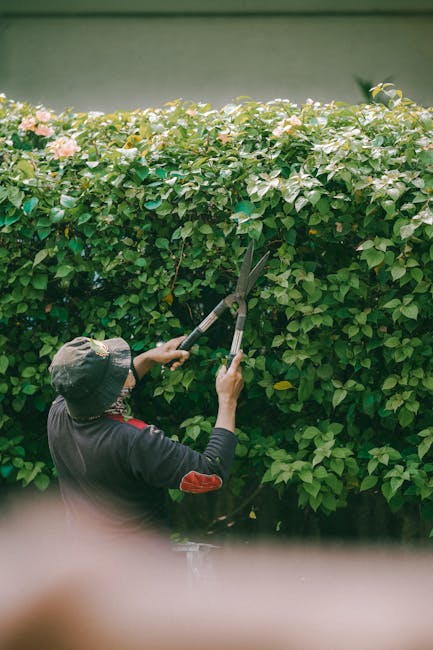
Hedges should be managed in a way that keeps them healthy, not just neat. Removing too much at once can leave bare patches that take a long time to recover. If your boundary growth is getting heavy, a hedge trimming service can help keep things balanced and prevent the hedge from swallowing light.
5. Weed with purpose
Pulling visible weeds is helpful, but the real trick is stopping them from setting seed and spreading. Focus on paths, borders, and the edges of beds where weeds often sneak in first. If you only have time for one task, weeding those spots is rarely wasted time.
6. Feed, mulch, and water properly
Plants do better when soil is protected. Mulch helps with moisture retention and suppresses weeds. Water deeply rather than a quick sprinkle, especially during warmer weeks. For lawns and beds alike, consistent feeding beats dramatic rescue attempts later.
7. Check trees and tall growth
Overhanging branches, low limbs, and crowded canopies can block light and create risk in windy weather. If you notice cracking, deadwood, or branches coming too close to the house, it may be time to speak with a professional about tree lopping and removal.
8. Finish with paths, patios, and edges
Sweep, rinse, or wash down the hard surfaces once the plant work is done. Edges make a bigger difference than people think. A sharp line between grass and border can make the whole garden look freshly cared for, even if you have only done the essentials.
Expert Tips for Better Results
A few habits separate average upkeep from genuinely good maintenance. Nothing wild. Just smart details.
- Cut little and often: This applies to lawns, hedges, and some fast-growing shrubs. It is less stressful for the plants and easier for you.
- Work with the weather: Wet soil compacts easily and can be damaged by heavy foot traffic. Wait until ground conditions are better when possible.
- Use the right blade or tool for the job: A blunt mower blade tears grass instead of cutting it cleanly. That sort of thing matters more than many people realise.
- Leave breathing room around plants: Crowded borders hold moisture, which can encourage disease and a generally miserable look.
- Keep a seasonal rhythm: A simple monthly reminder system works. Not exciting, but useful. Very useful.
One small trick that helps in smaller gardens: photograph the space from the same angle each month. It sounds a bit nerdy, but it shows patterns you may miss day to day. You quickly see whether a hedge is creeping, a lawn is thinning, or a corner is turning into a shadowy mess.
Another tip? Stop before the garden feels stripped back. Good maintenance should preserve shape and life, not flatten everything into a sterile display. That balance is where the nicest gardens usually sit.
Common Mistakes to Avoid
Even experienced homeowners get tripped up by a few predictable errors. To be fair, gardens encourage that. They reward timing and punish haste.
- Over-pruning in one go: Heavy cutting can shock plants and leave the garden looking blunt rather than tidy.
- Letting one season do all the damage: Skipping spring or autumn maintenance often creates a catch-up job that feels twice as big later.
- Ignoring the edges: Weeds love borders, fence lines, and the cracks beside paving. If you ignore them, they spread fast.
- Using the wrong mower height: Cutting too short can weaken the lawn, especially in warm or dry spells.
- Forgetting access routes: A garden can look tidy on the surface but still be awkward to use if paths, side returns, or gate areas are cluttered.
- Putting off tree or hedge issues: Small overhangs become larger problems once growth accelerates. Happens all the time.
One especially common mistake is treating every plant the same. Roses, hedges, perennials, and lawn grass all need different care. If you cut everything with the same rhythm, something usually suffers. The garden may survive, sure, but it will not thrive.
Tools, Resources and Recommendations
You do not need a shed packed like a small hardware shop. A practical kit is usually enough for routine maintenance in SW20 homes.
| Tool or resource | Best use | Why it helps |
|---|---|---|
| Hand shears or hedge trimmer | Shaping hedges and light shrub work | Gives cleaner lines and better control than guessing with oversized tools |
| Lawn mower | Regular grass cutting | Keeps lawns dense and manageable when used consistently |
| Rake and leaf bags | Autumn leaf clearance | Stops leaves from matting into beds, lawns, and drains |
| Spade, fork, and hand trowel | Weeding, edging, replanting | Useful for all the jobs that turn into a mess if rushed |
| Mulch and compost | Soil protection and feeding | Improves moisture retention and supports plant health |
| Pressure washer or stiff outdoor brush | Patios, paths, decking edges | Helps remove grime and surface growth before it becomes slippery |
If the garden has a decked area, regular cleaning matters as much as plant care. Slippery surfaces and algae buildup are common in shaded spots, especially after wet spells. In those situations, decking services may be worth considering if repairs, treatment, or replacement are needed.
And if you are budgeting for ongoing upkeep, it is worth checking pricing and quotes so you can compare one-off tidies against routine maintenance with a clearer head.
For homeowners who like a more sustainability-minded approach, the site's recycling and sustainability information is also worth a look. Garden waste, green materials, and practical reuse can make a real difference over time.
Law, Compliance, Standards and Best Practice
Garden maintenance is not a highly regulated area in the way some trades are, but there are still sensible standards to keep in mind. The main issues are safety, neighbour relations, and responsible disposal.
If you are cutting back trees, working at height, or removing larger branches, caution matters. A cautious approach is not overkill. It is common sense. Damaged limbs, hidden decay, and unstable growth can be risky, especially after wind or heavy rain. That is one reason professional tree work is often handled carefully, with clear attention to access and safety.
For contractors, insurance and safety practices should be transparent. If someone is working on your property, it is reasonable to expect sensible equipment use, clear communication, and a tidy finish. The business should also have clear policies on matters such as health and safety, insurance and safety, and how they handle customer concerns through the complaints procedure.
There is also a practical legal angle around waste. Garden waste should be handled responsibly rather than dumped or left in an unusable pile. If you are clearing a lot of debris, especially after a long period of neglect, a structured garden clearance approach is usually cleaner and easier than trying to do everything in one frantic session.
Best practice, in plain English, means this: work safely, protect neighbouring boundaries, dispose of waste properly, and do not cut corners on jobs that could affect people or property. That is the standard to aim for.
Options, Methods and Comparison Table
Different gardens need different levels of input. A quick comparison can help you decide whether to do the work yourself, book occasional help, or set up a more regular schedule.
| Approach | Best for | Pros | Trade-offs |
|---|---|---|---|
| DIY maintenance | Small gardens, confident homeowners, light upkeep | Flexible, lower direct cost, full control | Takes time, easy to fall behind, equipment matters |
| Occasional professional visits | Busy households, seasonal tidy-ups, catch-up jobs | Good for reset moments, less effort for you | Needs scheduling, may not prevent slow decline on its own |
| Regular maintenance plan | Front-facing gardens, larger plots, rental homes | Consistent appearance, better long-term control | Ongoing commitment, requires a clear budget |
For many SW20 homes, a hybrid approach works best. Handle small jobs yourself, then use professional help for heavier seasonal tasks, hedge work, or anything involving larger clearance. It is a very normal setup, actually.
Case Study or Real-World Example
Imagine a typical Raynes Park semi with a rear garden that had slipped for a couple of months. Nothing dramatic. Just a lawn that had grown patchy, a hedge leaning a little too far over the path, and two borders that had turned into a tangle of dead stems and late weeds.
The first step was not pruning. It was sorting the garden into zones: access, lawn, boundary, planting, waste. Once that was done, the work became straightforward. Debris was removed first so the lawn could be mown properly. The hedge was trimmed back gradually rather than hacked into shape in one pass. The borders were weeded, cut back, and topped with mulch. A few weak plants were replaced, but only after seeing what still had life in it.
The change was not flashy, and that is the interesting bit. The garden did not need a redesign. It needed rhythm. After a couple of visits, it became easier to maintain because every part of it could be reached and understood. The owners could then keep on top of the basics without feeling like they were fighting the place every time they stepped outside.
That is usually how good maintenance works in real life. Not dramatic. Just steady. And once the garden gets back into shape, even ten minutes here and there makes a noticeable difference.
Practical Checklist
Use this checklist as a quick monthly or seasonal reset for an SW20 garden.
- Walk the garden and note anything overgrown, damaged, or blocked.
- Clear fallen leaves, branches, and general debris.
- Mow the lawn at an appropriate height for the season.
- Trim hedges only as much as needed to keep shape and health.
- Weed borders, paths, and fence lines before seeds spread.
- Check for slippery areas on patios, paths, or decking.
- Water plants deeply if the weather has been dry.
- Add mulch or compost where the soil looks tired.
- Inspect trees and tall shrubs for deadwood or overhangs.
- Set a date for the next tidy-up so the work does not drift.
Quick tip: if you only have half an hour, do the visible jobs first. A swept path, trimmed edge, and cleared border can change the feel of a garden surprisingly fast.
Get a free quote today and see how much you can save.
Conclusion
Good garden upkeep in SW20 is rarely about perfection. It is about keeping the space healthy, accessible, and pleasant to use without letting the work spiral. The best Garden maintenance tips for SW20 homes Raynes Park are the ones you can actually repeat: mow sensibly, prune carefully, clear regularly, and keep an eye on the small details before they become big ones.
If your garden is mostly under control, a simple seasonal routine may be enough. If it has drifted, start with clearance and work back toward maintenance. Either way, a thoughtful approach will save time and make the space feel better to live with. And honestly, that is the whole point.
There is something quietly satisfying about opening the back door on a fresh morning and seeing a garden that feels calm rather than demanding. That feeling never really gets old.
Frequently Asked Questions
How often should I maintain a garden in Raynes Park?
For most SW20 homes, a light check once a week and a more thorough tidy-up every couple of weeks works well in the growing season. In autumn, you may need leaf clearance more often. The exact rhythm depends on lawn size, hedge growth, and how much shade the garden gets.
What are the most important garden maintenance tasks for a small London garden?
Usually it is lawn care, weed control, hedge trimming, leaf clearance, and keeping paths and patios clean. In smaller gardens, edges matter a lot because the space is seen all at once, so even a quick tidy can make a big difference.
Can I do garden maintenance myself, or do I need a professional?
You can absolutely handle many jobs yourself if you have time and the right tools. But if the garden is overgrown, has tall hedges, awkward access, or tree work, professional help is often the safer and quicker option. A mixed approach works for many households.
What should I do first if my garden has been neglected?
Start with clearance. Remove debris, cut back obvious overgrowth, and restore access to the whole space. After that, you can deal with mowing, edging, weeding, and shaping. Trying to fine-tune borders before clearing the mess usually just slows everything down.
How can I keep my lawn healthy in SW20 weather?
Do not cut too short, avoid mowing waterlogged ground, and feed or water according to the season. If the lawn is in shade or gets a lot of foot traffic, it may need extra care. A clean, regular cut is better than a big harsh one every so often.
When is the best time to trim hedges?
The best timing depends on the hedge type and growth rate, but the general rule is to trim little and often rather than waiting for a huge job. If nesting birds might be present, extra care is sensible. If you are unsure, a cautious approach is usually best.
How do I stop weeds coming back so quickly?
Remove them before they seed, keep borders mulched, and do not leave bare soil exposed for too long. Weeds love gaps. If you keep the soil covered and the edges tidy, you will usually see fewer repeat problems.
Is garden clearance the same as garden maintenance?
Not quite. Garden clearance is the bigger reset job, usually after a period of neglect or before a new maintenance routine begins. Garden maintenance is the ongoing care that keeps the space in shape once it is already under control.
How do I know if a tree needs professional attention?
If you notice dead branches, heavy overhang, cracking limbs, or signs that the tree is affecting structures or paths, it is wise to get a professional opinion. Tree work can look simple from the ground, but it often involves hidden risk.
What kind of maintenance improves kerb appeal fastest?
Front-garden mowing, hedge tidying, weed removal, and a clear, swept entrance usually have the biggest visual impact. If you only have an hour before a viewing or visit, those are the jobs that tend to pay off quickest.
How much maintenance does a patio or decking area need?
Enough to keep it clean and safe. Sweep regularly, remove algae or moss before it gets slippery, and check for loose or worn surfaces. A neglected hard surface can quickly undermine the look of an otherwise tidy garden.
Where can I find more details about the service and company?
You can read more about the team on the about us page and, if you are ready to discuss your garden, use the contact page. For service details, the services overview is a helpful place to start.