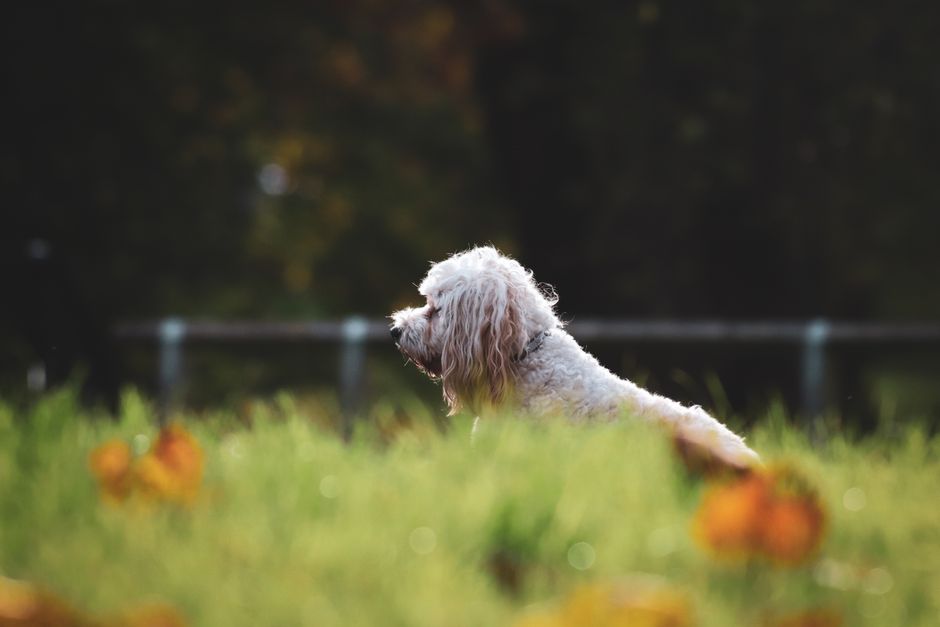
Pet friendly garden services around Raynes Park station

If you have a dog that bolts to the gate, a cat that patrols the fence line, or a garden that seems to collect muddy paw prints by lunchtime, you already know the problem: outdoor spaces have to work for people and pets at the same time. Pet friendly garden services around Raynes Park station are designed for exactly that. They keep your garden neat, usable and safe, without turning it into a place where pets are stressed, restricted or exposed to avoidable risks.
That sounds simple, but in practice it takes a bit of judgement. The right gardener thinks about access, plants, tools, timings, waste, noise and the way pets actually behave. Because let's face it, a "tidy garden" means very little if the dog is terrified by the noise or the lawn becomes slippery after a cut. This guide walks through what pet friendly gardening really means, how it works, what to ask for, and how to choose services that suit life near Raynes Park station.
Why pet friendly garden services around Raynes Park station matters
Gardens in busy London neighbourhoods need to do a lot of jobs. They should look presentable, hold up to changeable weather, and still give pets somewhere comfortable to move around. Around Raynes Park station, many homes juggle limited outdoor space, shared boundaries, quick access routes and a fairly active daily rhythm. That can make a garden feel cramped or unpredictable for pets if it is not managed thoughtfully.
Pet friendly garden services matter because routine garden work can unintentionally create stress or hazards. Freshly cut grass can hide sharp twigs. Loose bags of fertiliser can tempt curious animals. A hedge trim left half-finished may leave rough edges at nose height. Even simple things like open gates, noisy machinery or wet surfaces can become an issue. A good service understands that a garden is not just a backdrop; it is part of your pet's daily territory.
There is also the comfort factor. A safe, calm, well-kept garden makes it easier for pets to exercise, toilet, sniff around and settle down. For owners, that means fewer headaches and fewer little dramas. Truth be told, most people do not need anything fancy. They need reliable, tidy, pet-aware garden care that fits real life. Not a show garden. A usable one.
Expert takeaway: the best pet friendly garden service is not defined by one special product or tool. It is defined by how carefully the gardener plans around your animal's behaviour, your access points and the way you use the space day to day.
If you are browsing local options, it can help to start with the broader picture of what the team offers. A clear services overview can make it easier to see whether the work you need is covered without overcomplicating things.
How pet friendly garden services around Raynes Park station works
In practice, pet friendly garden care begins before the first tool comes out of the van. A sensible gardener will ask about your pets, your garden layout and the pressure points that matter most. Do you have a dog that rushes out when the front door opens? A rabbit run near the border? A cat flap that leads straight to the patio? These details shape the job.
From there, the service usually follows a few simple principles:
- Safer timing: work is arranged so pets can be kept indoors, contained or walked elsewhere while noisy or disruptive tasks are done.
- Cleaner working methods: cuttings, branches and tools are managed carefully so there is less mess for paws, claws and noses to encounter.
- Plant and material awareness: the gardener avoids known pet hazards where possible and is cautious with anything new that could irritate animals.
- Clear boundaries: gates are shut, access routes are discussed in advance, and nothing is left where a pet might chew, lick or drag it off.
- Practical aftercare: the space is left tidy, with advice on what to avoid for a few hours if needed.
Some jobs are straightforward. Lawn mowing, hedge trimming and general tidying can often be organised around pets with minimal fuss. Other jobs need a bit more thought. For instance, if you are having tree work or a full clear-out done, the schedule may need to be split into sections so your animals are not overwhelmed. The difference is planning. That is the whole game, really.
If you want regular support rather than a one-off visit, ongoing garden maintenance can be a good fit because it keeps things predictable. Predictability is underrated when you have a nervous dog or a cat that gets rattled by sudden change.
And yes, sometimes the simplest pet friendly approach is just: keep the dog in the kitchen for an hour, shut the side gate, and get the job done properly. No need to make it mysterious.
Key benefits and practical advantages
The biggest benefit is peace of mind. When your garden is managed with pets in mind, you spend less time worrying about what is lying around, what has been sprayed, or whether the dog has wandered into a half-finished work zone. But there are several other real advantages too.
| Benefit | What it means in everyday life | Why it matters for pets |
|---|---|---|
| Safer surfaces | Less debris, fewer hidden hazards, clearer paths | Reduces cuts, paw irritation and accidental ingestion |
| Less stress | Work is planned around noise and access | Helps anxious pets stay calmer |
| Better hygiene | Waste, clippings and muddy areas are handled properly | Improves cleanliness for both pets and owners |
| Better use of space | Paths, boundaries and lawn areas are kept usable | Creates room for play, toileting and exercise |
| Fewer repeat problems | Overgrowth, broken fencing and messy corners are dealt with early | Stops small issues becoming a pet escape risk |
There is also the visual benefit. A garden that is maintained with care tends to feel more relaxed, not just tidier. You can actually use it without doing a quick scan first for sharp sticks, broken pots or mystery plants. That sounds minor until you live with an animal who can find trouble in a blank patch of grass. Somehow they always can.
For people considering outdoor improvements, it helps to think beyond mowing alone. If the garden needs reshaping, edging or a new layout that supports both people and pets, landscape gardening or landscaping may be more appropriate than basic upkeep. A well-planned space is easier to maintain and safer in the long run.
Who this is for and when it makes sense
This kind of service is a strong fit for a lot of households, not just people with large gardens. In fact, smaller gardens can be more demanding because there is less room to work around pets and equipment. If any of the situations below sound familiar, pet friendly gardening is worth considering.
- You have a dog that uses the garden regularly and needs a clean, safe outdoor area.
- You work long hours and want the garden maintained without adding stress to your pet's routine.
- You have older pets or rescue animals that are easily startled.
- You share a property or boundary and need clear access control during visits.
- Your garden has become overgrown and you need help restoring order without causing disruption.
- You are preparing to sell, rent or host family visits and need the outdoor space to look cared for.
It also makes sense if your garden is simply becoming harder to manage. Overgrown hedges, patchy lawns and cluttered corners can feel harmless at first, but they can create hiding spots for insects, snag points for pets and awkward access for everyone. One day it is a minor inconvenience. A few months later, it is a proper faff.
Pet friendly services are especially useful when you need more than routine tidying. For example, after a storm, after a tenancy change, or after a long period where the garden has been neglected, garden clearance can bring the space back to a workable state before regular maintenance takes over.
Step-by-step guidance
If you want a smoother experience, it helps to approach the job in stages. Here is a practical way to plan it.
- Walk the garden with pet needs in mind. Look at escape points, damaged fences, toxic-looking plants, standing water and places where a pet tends to hide or dig.
- Decide what must be done first. Safety issues come before cosmetics. A broken gate or loose panel matters more than a neat border, no matter how tempting the border work is.
- Choose the right time for the visit. If your pet gets stressed by noise, plan for a quieter period or arrange for them to be indoors or out of the way.
- Tell the gardener about your pet habits. Mention barking, digging, chewing, darting through doors, fear of tools or any reactive behaviour. That one conversation can save a lot of hassle.
- Ask how waste and debris will be handled. Cuttings, thorny stems and broken bits should not be left accessible.
- Check the area before pets go back outside. A quick look for dropped ties, string, clumps of clippings or leftover feed is worth doing every time.
- Keep the service regular where possible. Regular visits usually mean fewer surprises, easier planning and a garden that stays under control.
That simple rhythm is often enough. Not glamorous, but effective. And to be fair, most good outdoor work is like that: a few sensible steps done consistently.
If you are not sure where to begin, start with the areas your pet uses most. The lawn, the main path, the fence line and the doorway out to the garden are usually the highest-value spots. Fix those first and the whole place starts to feel more manageable.
Expert tips for better results
After a while, you start to notice the small things that make a pet friendly garden service work better. These are the details that separate a decent visit from one that genuinely makes your life easier.
- Keep a "pet route" clear. Pets tend to follow the same line again and again. Protect that route and the garden stays cleaner for longer.
- Think about surface texture. Mud, loose gravel, wet decking and freshly cut grass all behave differently under paws. A gardener who understands that can recommend smarter fixes.
- Use planting carefully. If you are adding new shrubs or borders, choose options that fit the space and avoid obvious hazards. The point is not to create a jungle that needs policing every day.
- Leave room for access. Tight side passages and blocked gates are where most awkward moments happen. Little pathways matter more than people think.
- Ask for light but frequent upkeep. In many gardens, small regular work beats heavy seasonal work. It is less disruptive and usually easier on pets.
One useful habit is to keep a simple note of anything your pet reacts to. Some dogs are bothered by leaf blowers, others by the smell of fresh mulch, and a few are completely unbothered unless a ladder appears. Funny creatures, really. That kind of information helps a gardener plan better on the next visit.
Another good tip: if your pet is especially anxious, try to keep the first visit very calm and very short if possible. Once your animal realises the process is routine, they often settle. A little familiarity goes a long way.
Common mistakes to avoid
Most problems with pet friendly garden care are easy to avoid once you know what to watch for. The trouble is, they are also very easy to overlook in the rush of everyday life.
- Leaving pets outside during noisy work. This is probably the most common mistake. It can lead to stress, escape attempts or simply a miserable hour for everyone.
- Assuming all plants are harmless. A garden can look lovely and still contain things you would rather keep away from animals. If in doubt, ask before adding new planting.
- Forgetting about waste materials. Strings, ties, plant labels, broken pots and plastic packaging can all become little troublemakers.
- Ignoring boundary issues. A weak gate latch or loose panel can undo the best maintenance plan in about five seconds flat.
- Using harsh products without checking. Feed, weed control and treatment products should be discussed in advance where pets are involved.
- Choosing style over usability. A beautiful garden that nobody can safely use is, frankly, not doing its job.
There is a quieter mistake too: not saying enough when you book. If your dog reacts badly to strangers, if your cat disappears when there is drilling, if your rabbit enclosure needs extra care, say so. Nobody minds a bit of detail. They usually appreciate it.
Tools, resources and recommendations
You do not need a cupboard full of specialist gear to manage a pet friendly garden. Still, a few practical tools and habits make life easier.
- Sturdy gate latches and boundary checks: useful for preventing accidental escapes during visits.
- Pet-safe storage: keep fertilisers, sharp tools and seed products sealed and out of reach.
- Dedicated waste containers: handy for clippings, broken branches and general debris while work is underway.
- Quick clean-up tools: a small rake, broom or hand pruners are often enough for tidy post-work checks.
- Regular maintenance planning: simple scheduling usually beats reactive patch-up work.
For longer-term improvements, it can help to think beyond maintenance and look at the wider garden structure. A service that includes hedge trimming, lawn mowing and even targeted tree lopping and removal can reduce clutter, improve light and make pet movement easier. That is especially useful in compact gardens where every square metre counts.
If your garden also needs structural upgrades like seating areas, fencing or new surfaces, a team that offers decking services may help create a cleaner, more defined space. Just make sure the design still works for claws, paws and the occasional muddy dash after rain. London weather does what it wants, of course.
It is also worth checking how a company handles waste and greener working practices. Some households prefer services that are mindful of recycling and disposal, especially where lots of cuttings or clearance waste are involved. A straightforward recycling and sustainability approach can be a real plus if you care about what happens after the bags leave your garden.
Law, compliance, standards, or best practice
For most homeowners, this area is less about paperwork and more about sensible practice. Still, there are a few standards worth keeping in mind. A professional gardening service should work safely, respect access arrangements and handle tools, machinery and waste responsibly. Where chemicals, sharp equipment or larger-scale removals are involved, caution matters even more.
In the UK, it is normal to expect a contractor to use safe working methods, communicate clearly about risks, and take reasonable care around people, pets and property. If a service provider is insured, that is reassuring, but you should also feel comfortable asking how they manage on-site safety. If a gardener cannot explain how they will keep gates shut, reduce risks or handle debris, that is a useful warning sign.
For pet owners, the practical best practice is simple:
- keep animals away from active work areas
- avoid letting pets near fresh treatments until you know they are safe to re-enter
- store any garden products securely
- ask before using anything that may irritate animals
- check the garden after work is complete
If you want confidence in the provider itself, it is sensible to look at pages that explain working standards and customer safeguards. For example, insurance and safety and the health and safety policy give you a better picture of how seriously a company takes the practical side of the job. That may sound dry, but it matters. A lot.
Trust also comes from transparency around pricing, payments and expectations. If you are comparing options, the pages on pricing and quotes and payment and security can help set a clear baseline before you book.
Options, methods, or comparison table
Different gardens need different levels of support. Some only need a light tidy. Others need a complete reset. Here is a practical comparison to help you decide what fits best.
| Option | Best for | Pet friendliness | Typical use case |
|---|---|---|---|
| Routine garden maintenance | Established gardens that just need regular care | High, if the schedule is planned well | Lawns, borders, edging, ongoing tidiness |
| One-off clearance | Overgrown or neglected spaces | Moderate to high, depending on the amount of work | Resetting a garden before regular care starts |
| Targeted hedge and lawn work | Gardens with specific problem areas | High, with careful timing and debris control | Improving visibility, access and clean play space |
| Landscaping or redesign | Spaces needing a bigger rethink | Varies, but can be excellent if designed around pets | Pathways, surfaces, fencing and layout changes |
In many cases, the best route is a combination. A bit of clearance first, then regular maintenance, then a few practical improvements once the space is under control. That sequence tends to save stress and money. Also, it stops you paying for major work before you really know what the garden needs. Which, to be fair, happens more often than people admit.
Case study or real-world example
Picture a typical small London garden near Raynes Park station: narrow side access, a patchy lawn, hedges pushing over the fence line and a lively dog that knows exactly when the front door opens. The owner wants the space tidy enough for summer, but also safe enough that the dog can go out without supervision for a few minutes at a time.
The first visit focuses on the basics. The garden is cleared of loose debris, the hedge line is trimmed back, and the lawn is cut to create a cleaner surface. The gardener avoids leaving clippings in the dog's main run and checks the gate latch before leaving. Nothing dramatic, just careful work. Small things done properly.
After that, the owner switches to regular visits. The garden no longer swings between overgrown and overworked. It stays in a steady, manageable state. The dog has a clearer route to move around, muddy corners are easier to spot and the whole space feels calmer. Not perfect. Just better. And honestly, that is usually the point.
In a slightly larger garden, the same idea might lead to a few extra improvements, such as reshaping a border, improving the path layout or removing an awkward tree branch that blocks light and drops too much debris. A broader service such as local gardener advice for Raynes Park station can be useful for understanding what nearby properties often need, even if your own garden is a bit different.
Practical checklist
Before booking or during a garden visit, use this quick checklist. It keeps things simple, which is often the best way.
- Are gates secure and easy to close?
- Have you told the gardener about each pet and how they behave?
- Will noisy work happen while pets are safely indoors or elsewhere?
- Are any plants, treatments or materials likely to cause problems for animals?
- Will cuttings, string, labels and waste be removed or contained?
- Does the garden have a clear route for pets to move around safely?
- Do you need regular maintenance rather than one-off work?
- Are any fences, panels or gates in need of attention before other work starts?
- Have you checked the space before letting pets back outside?
- Do you know who to contact if anything is missed or you want to adjust the plan next time?
If you can tick most of those off, you are in a good place. If not, that is fine too. It just means the garden needs a little more planning before work starts.
Conclusion
Pet friendly garden services around Raynes Park station are really about creating a garden that works in real life. Not just one that looks neat for five minutes after the mower leaves. When the work is planned around pets, the whole space becomes easier to enjoy, easier to maintain and far less stressful for everyone involved.
Whether you need a light tidy, regular maintenance, a full clearance or a more thoughtful redesign, the key is the same: safety, clarity and a practical approach that respects how pets behave. If you ask the right questions and choose a service that pays attention to the small things, you will usually get a much better result. And you will notice the difference quickly, often on the very first day.
Get a free quote today and see how much you can save.
It is a small change on paper, but in the garden it can feel like a real breath of fresh air.
Frequently Asked Questions
What makes a garden service pet friendly?
A pet friendly garden service plans work around animals rather than treating them as an afterthought. That usually means safer timing, careful debris handling, sensible tool use and a clear check that gates, boundaries and surfaces are secure before pets return outside.
Can gardeners work if I have a dog in the garden?
Yes, but it is usually better for the dog to be kept indoors, walked elsewhere or safely separated while the work is done. Dogs can become excited by noise, people and moving equipment, so planning ahead makes the job smoother and safer.
Are lawn treatments safe for pets?
That depends on the product and how it is used. Always ask what is being applied, how long pets should stay away, and whether the lawn needs any extra care afterwards. If in doubt, wait until you have clear guidance before letting animals back on the area.
How often should a pet friendly garden be maintained?
It depends on the size of the garden, the season and how much the pets use it. Many homes benefit from regular maintenance because it keeps the space predictable and reduces the build-up of debris, overgrowth and muddy corners.
What should I tell the gardener before they arrive?
Tell them about your pets' habits, any escape risks, areas they use most, and anything that tends to upset them. A dog that barks at tools or a cat that slips out through the side gate changes how the visit should be planned.
Do pet friendly garden services cost more?
Not always. Sometimes the job costs the same, because the main difference is planning and care. If extra time, clearance work or specific safety measures are needed, that may affect the quote. A clear pricing discussion helps avoid surprises.
Can a gardener help with an overgrown garden if I have pets?
Yes. In fact, overgrown gardens are often where pet friendly care is most useful. Clearance work can remove hiding spots, improve visibility and make the space easier to manage. The key is making sure pets are kept away from the work zone while it is happening.
What if my pet is nervous around noise?
That is very common. The best approach is to schedule work at a calmer time, keep the pet away from the area, and start with a shorter or lighter visit if needed. Many pets settle once they realise the routine is predictable.
Should I choose maintenance or landscaping?
If your garden is basically in good shape, maintenance is usually enough. If the layout causes repeated problems, such as poor access, muddy patches or unsafe boundaries, then landscaping may be the better long-term option.
How do I know if a garden service is trustworthy?
Look for clear communication, sensible safety practices, transparent pricing and a straightforward explanation of how the work will be carried out. If a company can explain how they manage pets, waste and access without sounding vague, that is a good sign.
Can pet friendly gardening help with muddy paws?
Yes, in a practical sense. Better lawn care, clearer paths, improved drainage in problem areas and less clutter can all reduce how much mud pets track indoors. It will not make a garden weatherproof, because London rain has its own ideas, but it can help a lot.
Is this only for dog owners?
No. Cat owners, rabbit owners and people with other outdoor animals can benefit too. Any garden that needs to be safe, calm and easy to use around animals can be managed with a pet friendly approach.